

Tony O’Neill, expert gardener and best-selling author of the famous “Simplify Vegetable Gardening,” “Composting Masterclass,” and “Your First Vegetable Garden,” combines lifelong passion and expert knowledge to simplify gardening. His mission? Helping you cultivate a thriving garden. More on Tony O’Neill
Garden intelligence sounds like one of those phrases people use when they want a simple idea to sound bigger than it is.
I understand the scepticism.
Gardeners hear enough inflated language as it is. The last thing most people want is another clever phrase wrapped around something vague.
So let me put it plainly.
Garden intelligence means making better garden decisions because the right information is connected, visible, and usable at the moment you need it.
That is it.
No gimmick.
No fluff.
No mystery.
It is not about making gardening more complicated. It is about making the garden easier to read.
Most gardeners already have plenty of information.
They notice growth.
They notice the weather.
They notice pest pressure.
They notice that one bed always does better than another.
They notice that one crop flies in one space and struggles in the next.
That is not the problem.
The problem is that most of that information never becomes properly connected.
It stays scattered across memory, scraps of notes, phone photos, seed packets, calendars, and general impressions. So even an experienced gardener can end up with a surprising amount of uncertainty, not because they do not know enough, but because the knowledge is fragmented.
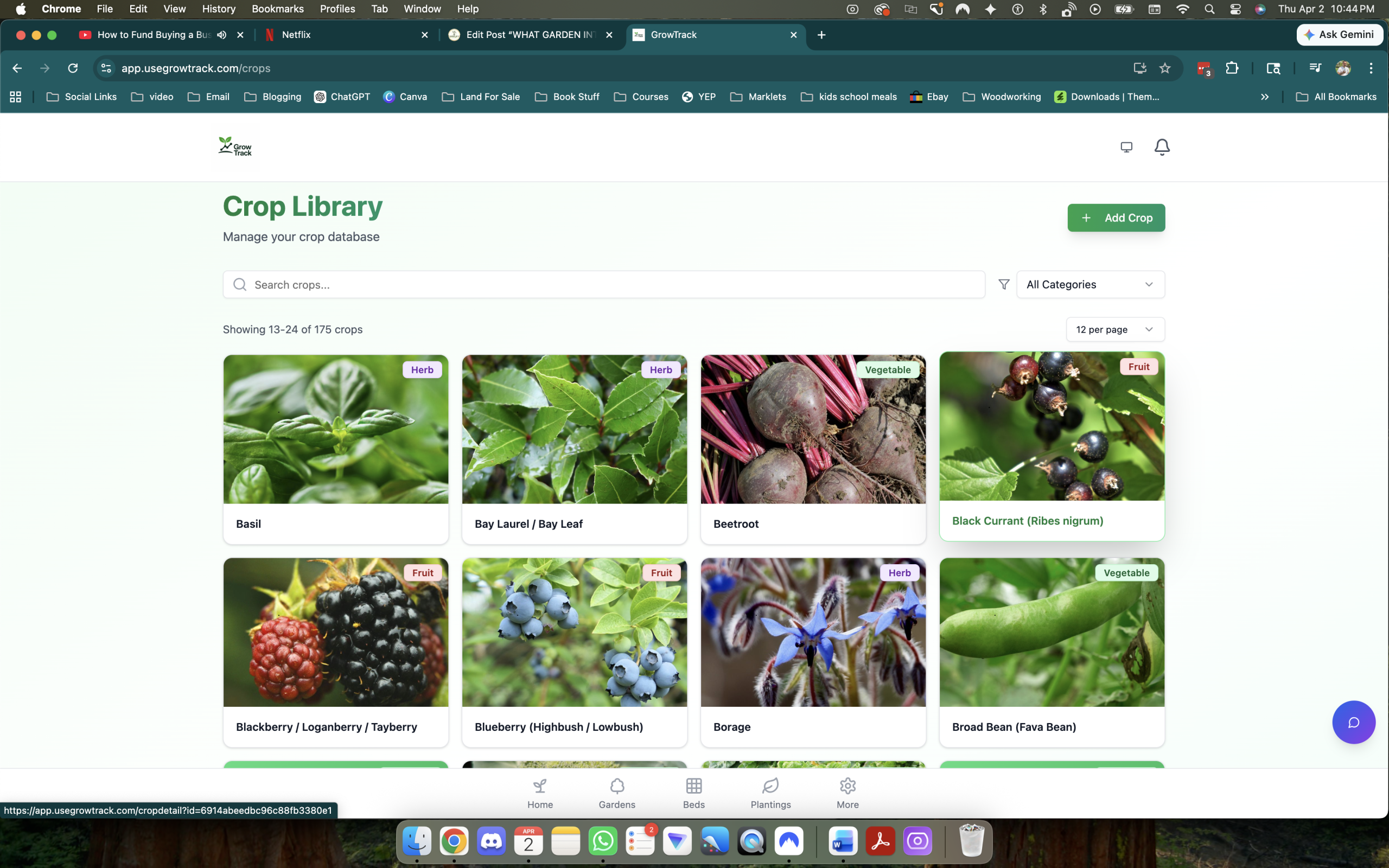
That is exactly the problem GrowTrack was designed to solve. If you visit https://usegrowtrack.com you will see it is not trying to be another basic planner. It is built to help the garden hold context so your decisions are rooted in what has actually happened, where it happened, and what keeps repeating.
That is what intelligence means here.
Information is not intelligence.
A notebook full of dates is not intelligence.
A folder of photos is not intelligence.
A list of tasks is not intelligence.
Those things become useful only when they help answer real questions.
What is happening here?
What has happened here before?
What pattern is building?
What matters now.
What is the likely pressure point?
What decision makes sense in the context of this bed, this crop, this season?
That is the jump from information to intelligence.
And that jump matters because gardening is full of delayed cause and effect. What you see today is often tied to what happened earlier. What keeps repeating often only becomes obvious when separate pieces are brought together. If the system you use cannot hold those relationships, you are always doing more mental work than you should need to.
This is why so many gardeners feel overwhelmed by advice.
They are not always lacking tips. They are drowning in general tips while lacking context for their own space.
One article says sow now.
Another says wait.
One video says feed more.
Another says hold off.
One gardener swears by one method.
Another gets poor results from the same thing.
That confusion makes sense because most advice is broad by design. It is trying to help across many gardens. Your garden is specific. It has its own exposure, its own drainage, its own history, its own patterns, its own weak points.
Garden intelligence begins when you stop asking only what the advice is and start asking what this situation means here.
That is a more mature way to garden. It is also a calmer way.
You stop reacting to every issue like it is brand new.
You stop treating every season like a blank page.
You stop forcing generic guidance onto spaces that have already shown you who they are.
Instead, you start building pattern recognition.
This bed always lags in spring.
This crop needs more lead time here.
This area traps dampness.
This timing worked once and failed twice.
This pressure point returns under these conditions.
That is intelligence.
It is not a pile of facts. It is connected understanding.
And that is why I think the idea matters so much now. Gardens are not getting simpler. People are trying to manage more complexity with less time. That means the old way of relying on memory, notebooks, and generic calendars starts breaking down faster. Not because people are less capable. Because the structure is no longer strong enough.
That is where GrowTrack comes in.
It gives you a place where gardens, beds, plantings, tasks, and history all sit inside the same system. That means observations do not drift away from the spaces they belong to. Timing stays attached to outcomes. Patterns become visible. The garden stops feeling like a collection of isolated jobs and starts feeling like something readable.
That is what garden intelligence actually means.
Not replacing the gardener.
Supporting the gardener with better continuity, better context, and better decisions.
If this connects with how you already think, read Why Your Garden Needs Memory next, because memory is the foundation under all of this. Then read Why Most Garden Journals Fail Over Time, because many gardeners have been trying to build intelligence with tools that were never designed to hold it properly.
And if you want to see the system I built around this idea, go to https://usegrowtrack.com.


